Vincent van Gogh Paintings by Antwerp 1885–1886
Three short months in the Belgian port city of Antwerp brought Van Gogh to Rubens, Japanese prints and the Academy – and paved the way for his move to Paris.
Three short months in the Belgian port city of Antwerp brought Van Gogh to Rubens, Japanese prints and the Academy – and paved the way for his move to Paris.
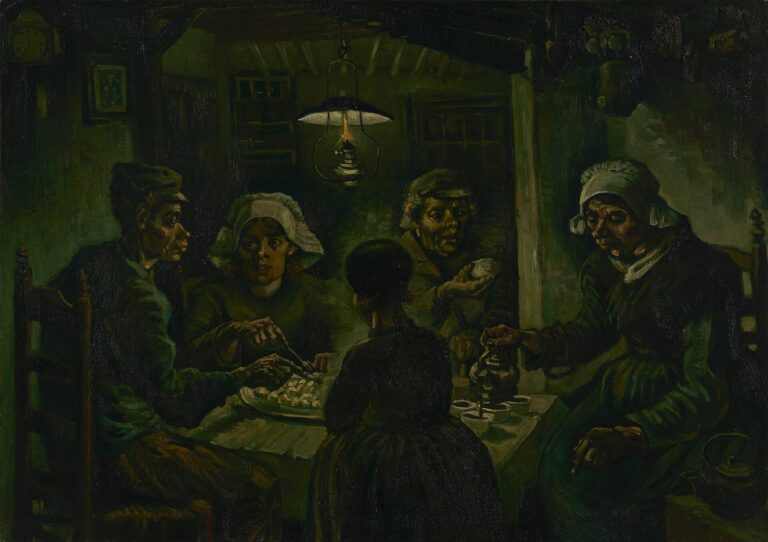
In two years at his parents’ parsonage in the Brabant village of Nuenen, Van Gogh painted nearly two hundred pictures of weavers, peasants and cottages – culminating in his first masterpiece, The Potato Eaters.
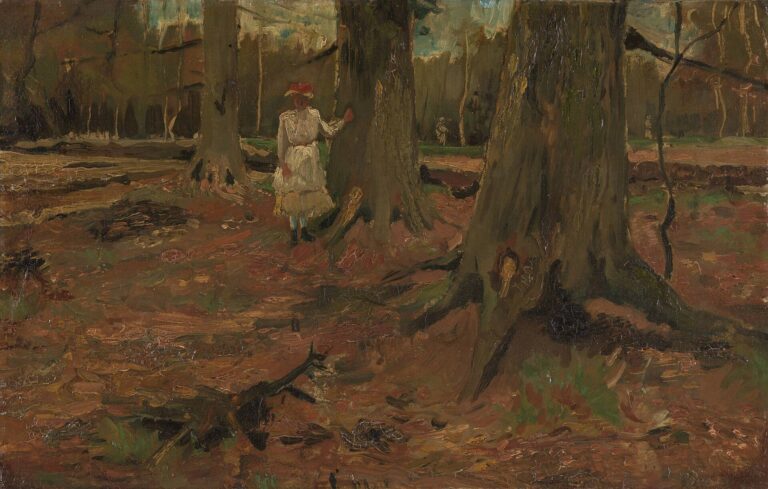
Van Gogh only decided to become an artist at the age of twenty-seven. His first paintings, made in The Hague and Drenthe, are dark, earthy studies of dunes, woods and working people.
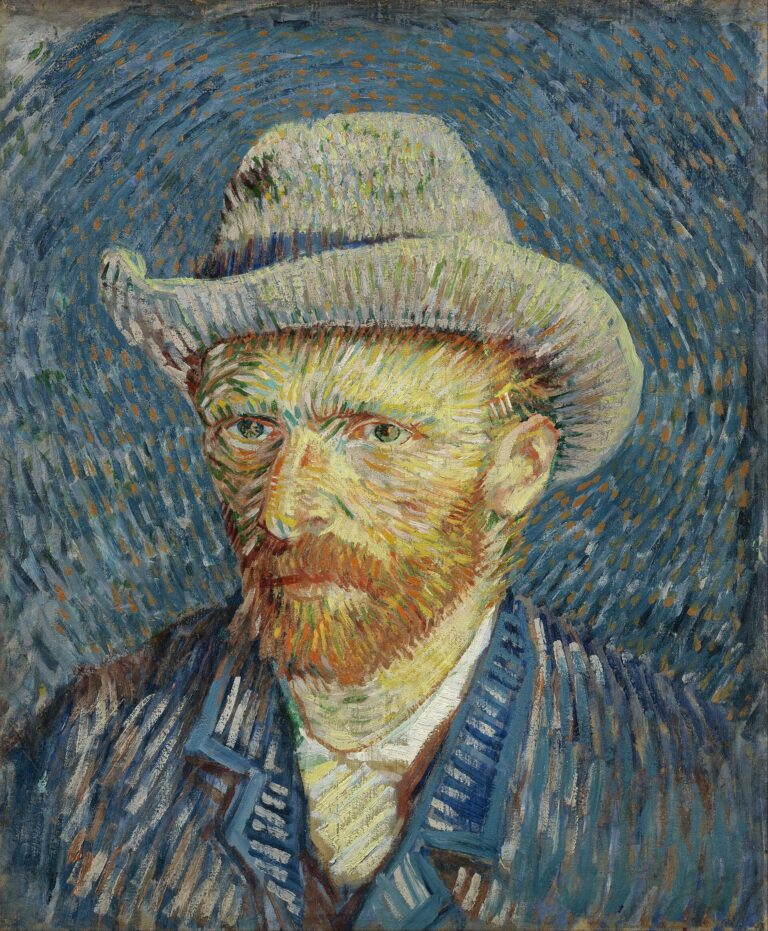
Two years in Paris transformed Van Gogh. Living with his brother Theo in Montmartre, he met the Impressionists, discovered Japanese prints and swapped his dark Dutch palette for pure, bright colour.
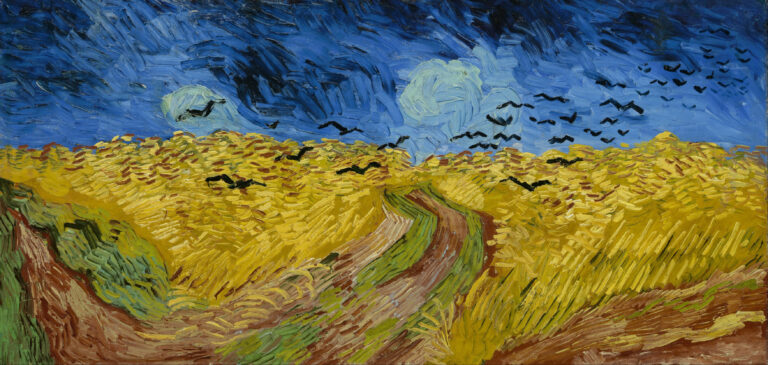
In the last seventy days of his life, in a village on the river Oise north of Paris, Van Gogh painted about seventy-five pictures – portraits, cottages, gardens and the vast wheatfields under stormy skies.
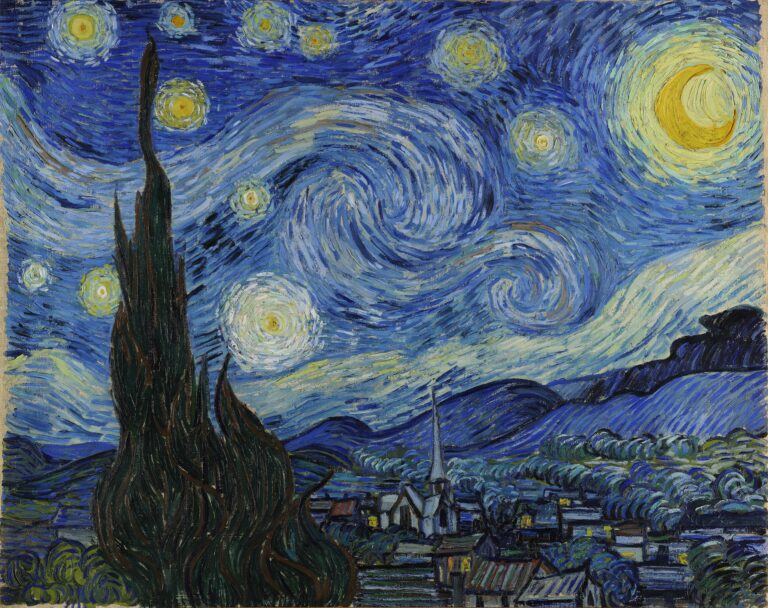
During a year as a voluntary patient at the asylum of Saint-Paul-de-Mausole, Van Gogh painted around 150 pictures, including The Starry Night, Irises and his great series of cypresses and olive trees.
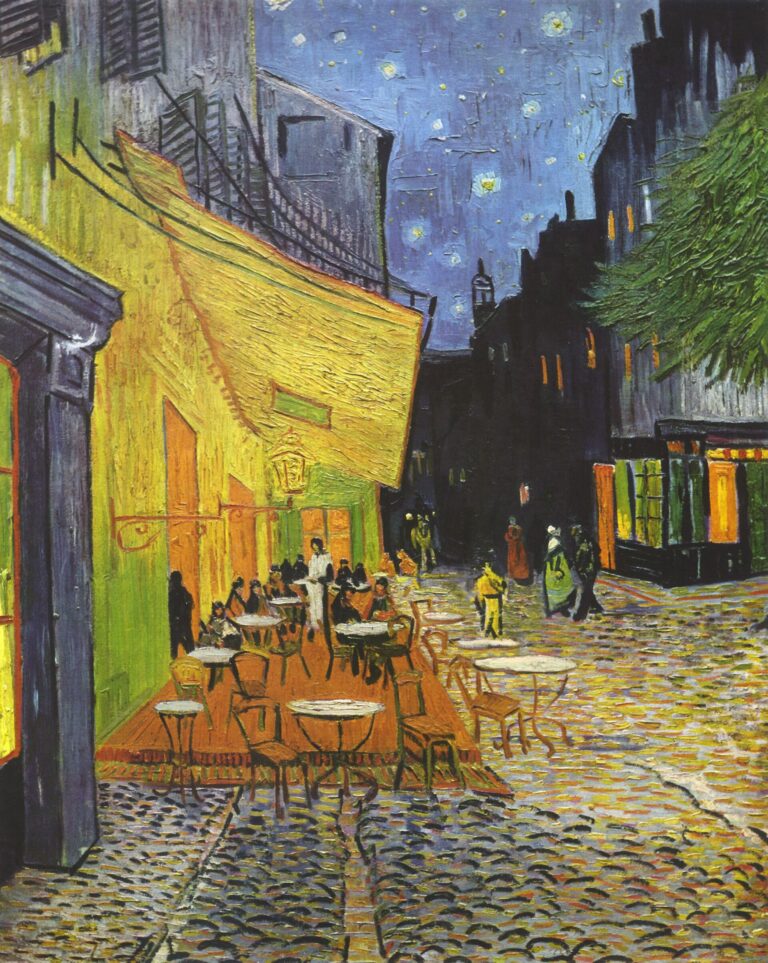
In fifteen months in the Provençal town of Arles, Van Gogh painted around two hundred canvases – the Sunflowers, the Café Terrace at Night, The Bedroom – and found the blazing colour that defines his art.