Home › Van Gogh Facts › Van Gogh and yellow
Van Gogh’s Art
Why Van Gogh Loved Yellow: Sunflowers, Chrome Yellow and the Myths
Sunflowers, wheatfields, a yellow house, yellow stars and lamplight: no painter is more closely tied to one colour. But Van Gogh’s yellow did not come from illness or absinthe, as popular stories claim. It came from the southern sun, from new factory-made paints, and from what he believed colour could say.
From dark browns to “the high yellow note”
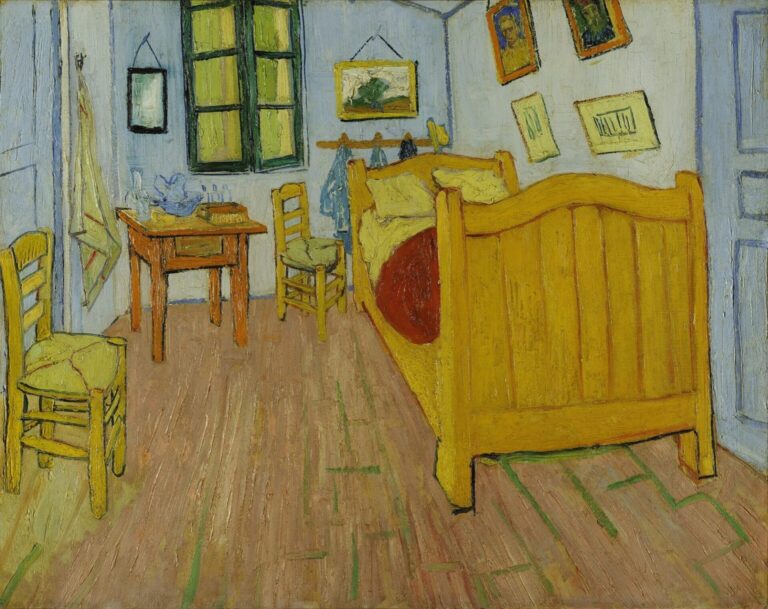
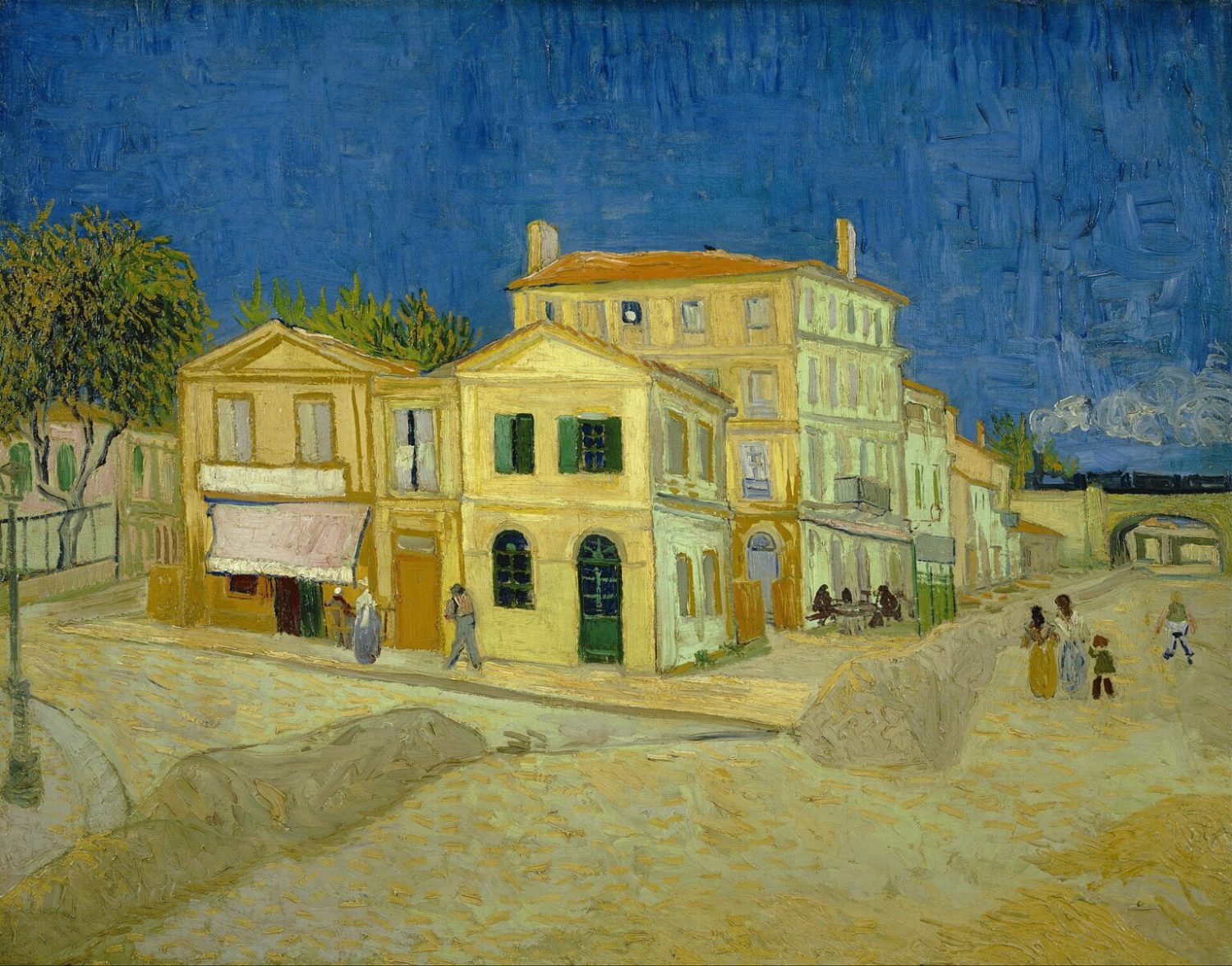
In the Netherlands Van Gogh painted in earth colours: brown, grey and dull green, as in The Potato Eaters. In Paris in 1886–87 he discovered the Impressionists and the colour theory of complementary pairs, and his palette brightened. But it was in Arles, from February 1888, that yellow took over. The Provençal sun turned the wheatfields gold and made everything look, he wrote, as bright as in Japanese prints. In the summer of 1888 he reached what he later called “the high yellow note”, and said he had to be thoroughly keyed up to attain it.
What yellow meant to him
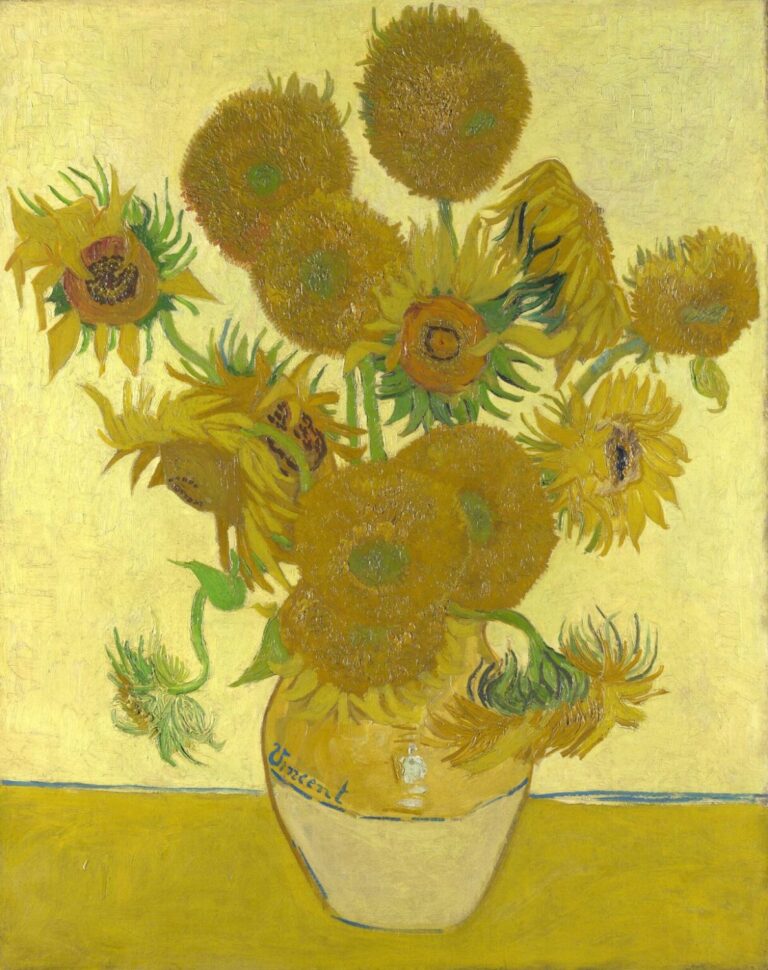
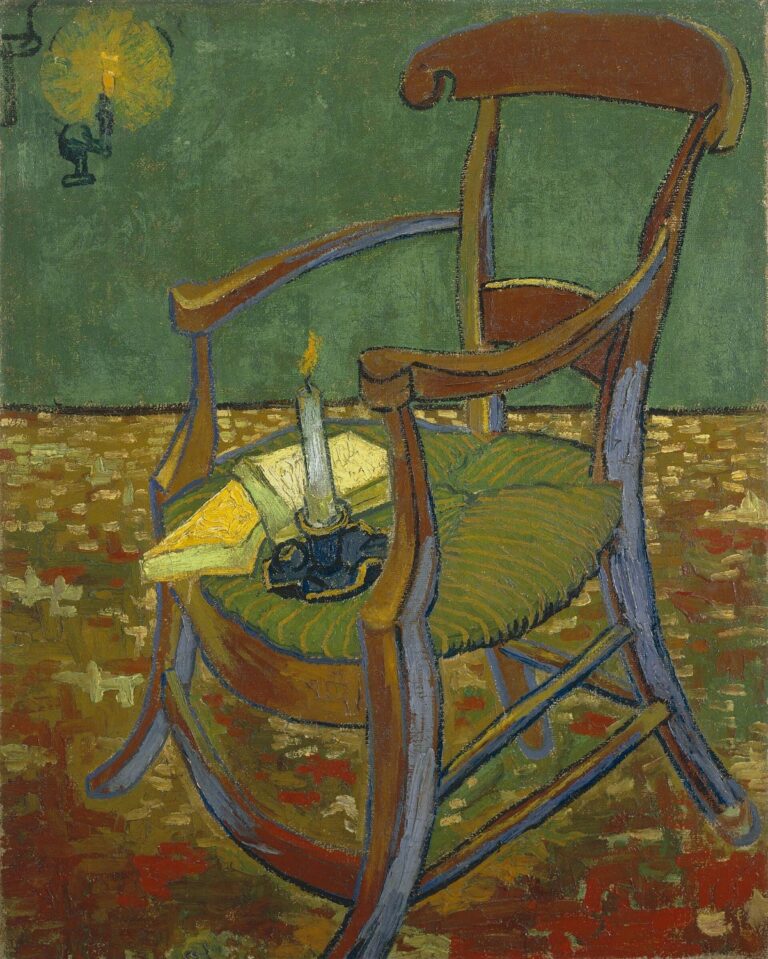
For Van Gogh, yellow stood for sunlight, warmth and friendship. He painted the Sunflowers to decorate the room where his friend Gauguin would sleep, and had the outside of the Yellow House painted a fresh butter yellow with green shutters, hoping it would become a home for a community of artists. Yellow also carried a spiritual charge: in the Bible-reading minister’s son it suggested light and divine love, and in his paintings of the sower the huge yellow sun works almost like a halo.
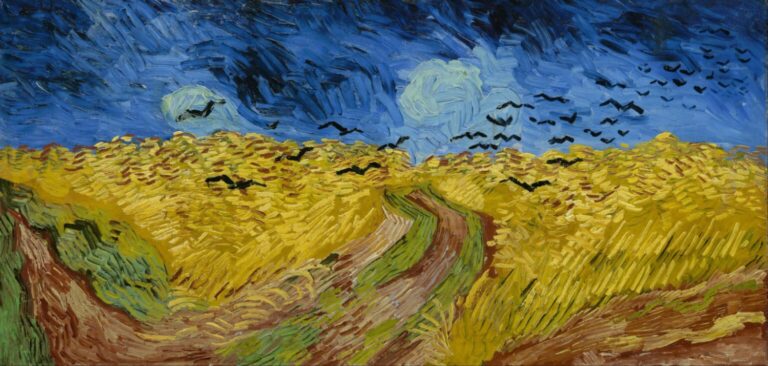
He used it with its opposites. Yellow sets violet and blue vibrating: the yellow stars and lamplight of Café Terrace at Night against the deep blue sky, the gold of the wheat against the blue hills. See Van Gogh’s technique and our colour palettes.
Chrome yellow: a modern paint
Van Gogh’s yellows were new industrial pigments. The most important was chrome yellow (lead chromate), made in shades from lemon to deep orange, cheap and brilliant. He also used cadmium yellow and other yellows on occasion. He bought his tubes from dealers such as Père Tanguy in Paris and had them sent to the south by Theo.
Why some of his yellows have darkened
Chrome yellow is not always stable. Since the 2010s scientists, including a team led by Letizia Monico, have shown that some lighter, greenish-yellow chrome yellows darken towards brown when exposed to light, because the chromium in them changes chemically. Parts of the Van Gogh Museum’s Sunflowers are affected, and the museum has reduced light levels and stopped lending the painting. The yellows we see today are sometimes duller than the ones Van Gogh painted. Several of his reds have faded too, so some pictures were once both warmer and brighter.
The myths: digitalis and absinthe
Two popular theories claim Van Gogh saw the world yellow. One says he was treated with digitalis, from foxglove, which in overdose can cause “xanthopsia”, yellow-tinted vision; Dr Gachet holds a sprig of foxglove in his portrait. The other blames absinthe. There is no record that he was given digitalis, and his letters show his colour choices were deliberate and theoretical, worked out in advance and explained to Theo. Most specialists reject both theories. Read more in Van Gogh’s mental illness.
Where to see his yellows
The great yellow paintings are spread around the world: the Sunflowers in London, Amsterdam, Munich, Philadelphia and Tokyo; The Yellow House and Wheatfield with Crows at the Van Gogh Museum; Café Terrace at Night at the Kröller-Müller. In 2026 the Van Gogh Museum devoted an exhibition, Yellow. Beyond Van Gogh’s Colour, to the subject.
Frequently asked questions
Why did Van Gogh use so much yellow?
In Arles he associated yellow with sunlight, warmth, friendship and hope, and paired it with blue and violet for maximum contrast. New bright chrome yellow paints made it possible.
Did Van Gogh see in yellow because of digitalis?
There is no evidence. The theory that digitalis gave him yellow vision is unproven, and his letters show his colours were deliberate choices.
What yellow paint did Van Gogh use?
Mainly chrome yellow (lead chromate) in several shades, plus other yellows such as cadmium yellow.
Have Van Gogh’s yellows changed?
Yes. Some lighter chrome yellows have darkened towards brown with exposure to light, which is why the Van Gogh Museum protects its Sunflowers.
Sources: Van Gogh Museum – Sunflowers; Monico et al., Analytical Chemistry (2011), on chrome yellow degradation; Van Gogh Letters.